
The guitarist’s dramatic and sweeping 2025 album was partly inspired by scenery that fits that same description. It helps me get back to places I cannot currently be.
By Grayson Haver Currin
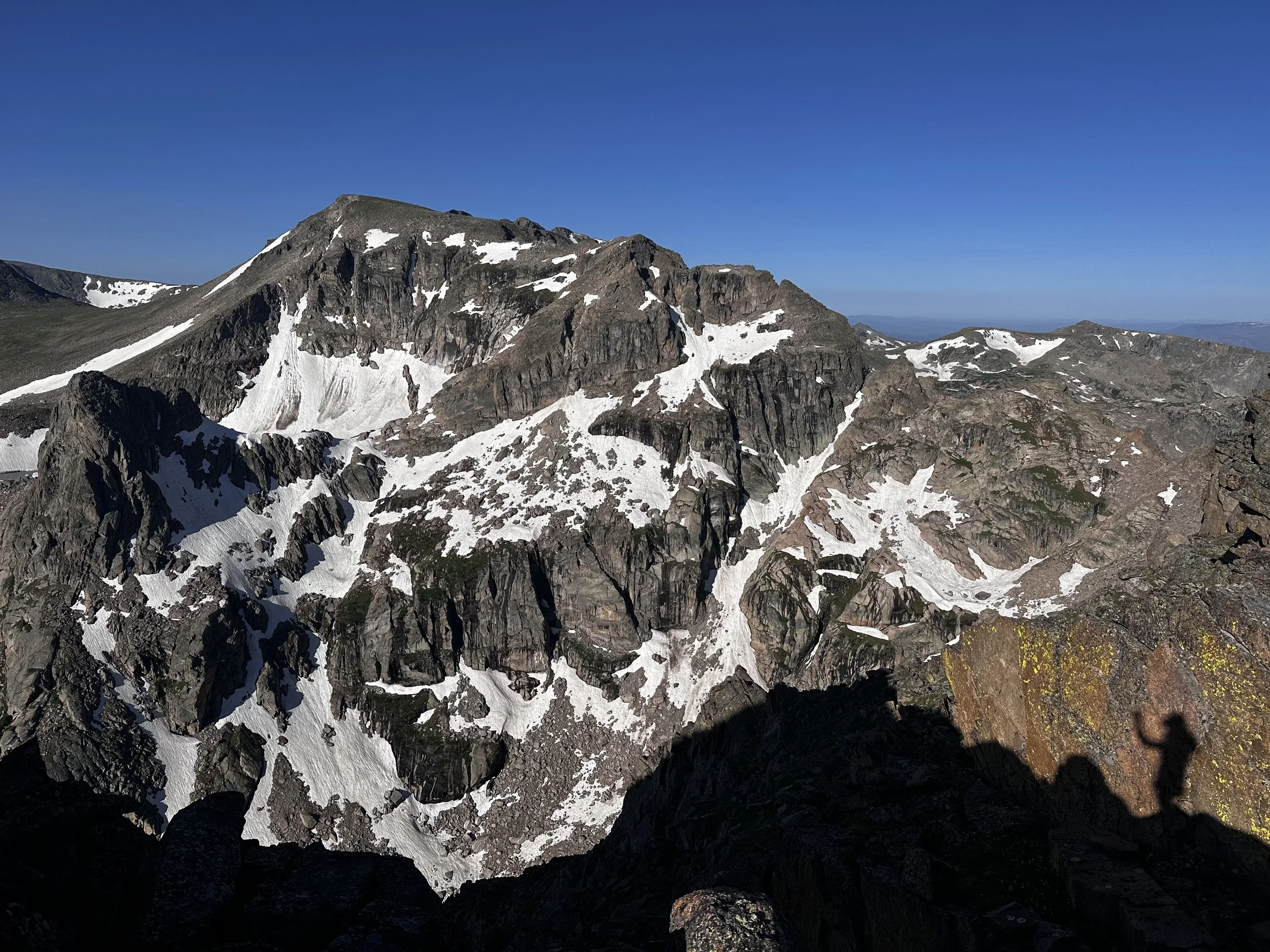
My wife is stuck right now in a storm at 11,000 feet, beneath the West Buttress of Denali, the highest peak in North America. My best friend, meanwhile, is 300 miles into a northbound journey on the Pacific Crest Trail, the 2,600-mile path that connects the Mexican and Canadian borders as it traverses three states. But me? I am stuck on this stupid airplane, resenting being anywhere so completely unwild.
A decade ago, my wife, Tina, and I left our life in North Carolina. We were tired of jobs and small-city politics, and we wanted adventure, something that the state’s pleasant Piedmont could only offer at best in microdoses. We bought a van, threw our pets inside, and cannonballed among 49 states and eight provinces, hiking and running and climbing and seeing and mostly being at every chance we could get. We understood within the first few weeks of that three-year adventure that it was the start of our realignment with the world, a different way of experiencing everything. For the last decade, engaging with the wilder world has been one of our conjoined life’s chief priorities—the reason we have hiked 12,000 miles, the reason we moved to Colorado, the reason we pay for health insurance.
But I haven’t yet figured out a way to make everything all the time play. For my entire adult life, I have written about music, work I still love a quarter-century after starting. This means that I am often either sitting at my desk writing about someone else’s life or sitting behind my screen on an airplane, en route to ask yet another person about their own. That is why, while my wife hunkers down in her tent and my best friend moves through the Southern California desert at around three blissful miles per hour, I am hurtling towards Portland, Ore., in a miraculous metal tube, listening to Rafiq Bhatia’s 2025 album, Environments, and putting these words into this machine.
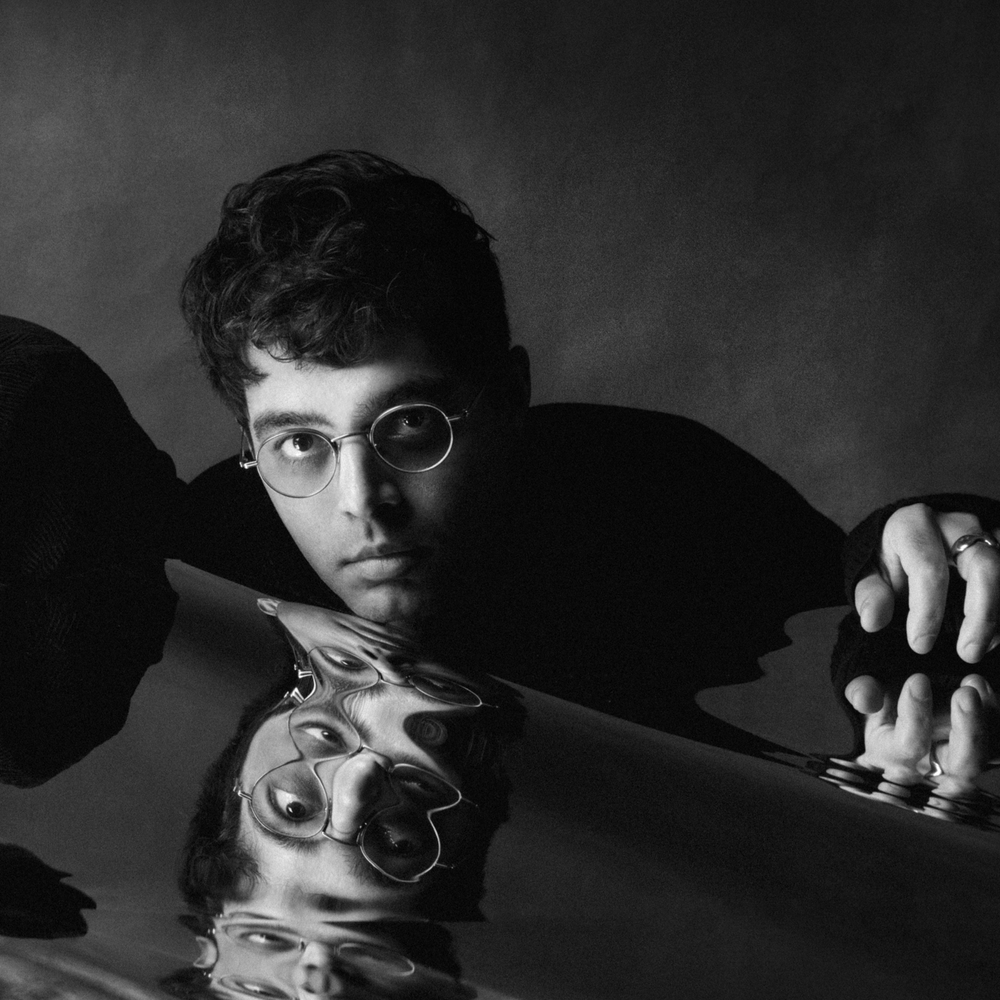
Rafiq Bhatia. Photo: Ebru Yildiz.
Actually, Rafiq is essentially from the same part of North Carolina as me, and we’re not too far apart in age. We never knew one another, but we have a rich vein of mutual friends. Environments crackles with the newness of someone who grew up in a pretty but pretty safe place, left, and discovered how simultaneously striking and perilous the rest of the world can be. Look at the titles: a kingdom of volcanoes, black sand beaches, and cracking skies. Sure we have thunderstorms in the South, crickets too, but the rest of it is the stuff that stuns upon leaving, that reorients your understanding of how this world truly works. I know because I can hear it, having had the same epiphanies over and over again, having gone from bucolic boredom to breath-taken thrill.
As I listen to Environments, I am struck by the way it feels like a memory stick, poking the pieces of my brain where the thrills of the last decade seem to sit. Here is a brief and incomplete catalogue, with timestamps for the moments where this flotsam of the past floats to the surface.
1: By the late fall of 2017, still fresh in the van, we—retreating East Coast flatlanders—had tried and failed to summit a lot of mountains. We’d almost completed our first Teton, but we bailed because I got nervous. On our way down, we encountered a grizzly bear who chased our asses through a creek back to our van. We reached the top of our next peak, in Montana, but we suffered from intense bearanoia as we started that ascent long before dawn, playing music to fend off our would-be mauler. This sound is how my head felt. (Track 1, “Aviary I | Sunrise,” 1:01–1:25)
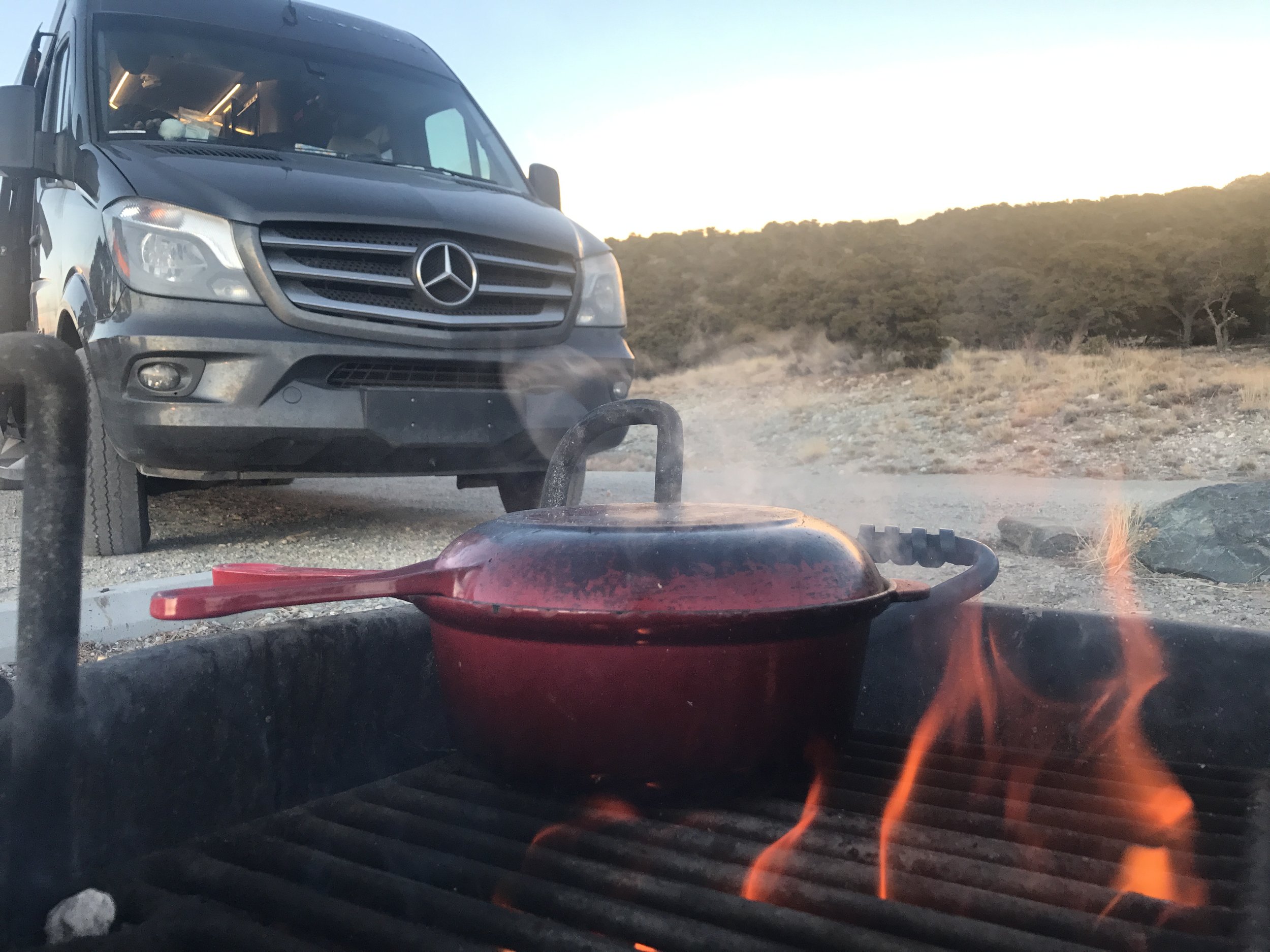
2: We spent New Years Day 2018 beneath the shadow of the Sangre De Cristo Mountains, cooking collards and black-eyed peas on a fire in a little campground outside of Great Sand Dunes National Park. I have not checked a calendar to confirm this, and I won’t, but I swear the moon was so full and bright and perfect, like an ode to the entire unwritten future. We listened to Brian Eno. If the moon is full and bright in your memory, why bother with facts? This music glows like that night. (Track 1, “Aviary I | Sunrise,” 4:00–4:11)
3: I would like to tell you about the only time I took Xanax. We were nearing Great Barrington, Mass., on the Appalachian Trail, in 2019. We’d walked a lot, dusk was coming, and this field we were crossing seemed as good a place to camp as any. I think there was water nearby, and a few friends had already pitched their tents in the zone. As dusk arrived, so did the mosquitoes, so many of them that they sounded like a blitz of bombs. Whenever my back touched the tent’s webbing, they’d find a way to bite. I could not sleep. I could barely exist. This sound is that sound. (Track 2, “Rain on the Canopy Melting Sky,” 5:41–5:49)
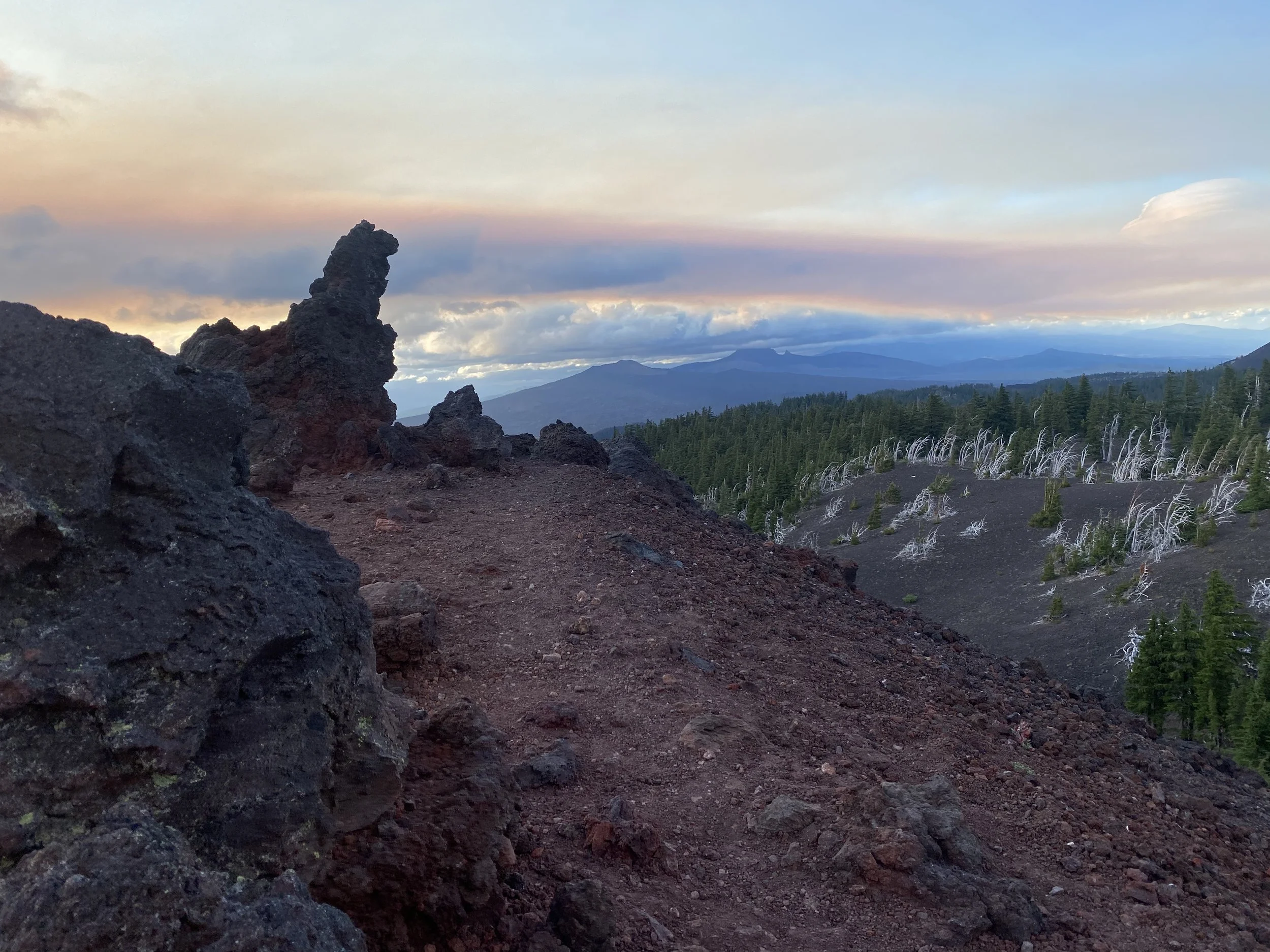
4: One time in Oregon, on a stretch of the Pacific Crest Trail dominated by obsidian and other volcanic offcasts, my wife and my best friend got into a fight about sexism. The best friend stormed ahead, and we tried to hike until we found him, in spite of the thunderclouds forming overhead. At the last minute, we dipped into a bad campsite. When the rain came for real, it began to swallow our sleeping bags, and hypothermia began to creep up my legs. We packed our stuff and kept moving through the night, until we found a place that could keep us dry, where we could cuddle enough to keep safe. This sound makes me imagine it getting worse. (Track 3, “At Midnight on a Black Sand Beach, the Raging Tides Begin to Speak,” 3:38–3:50)
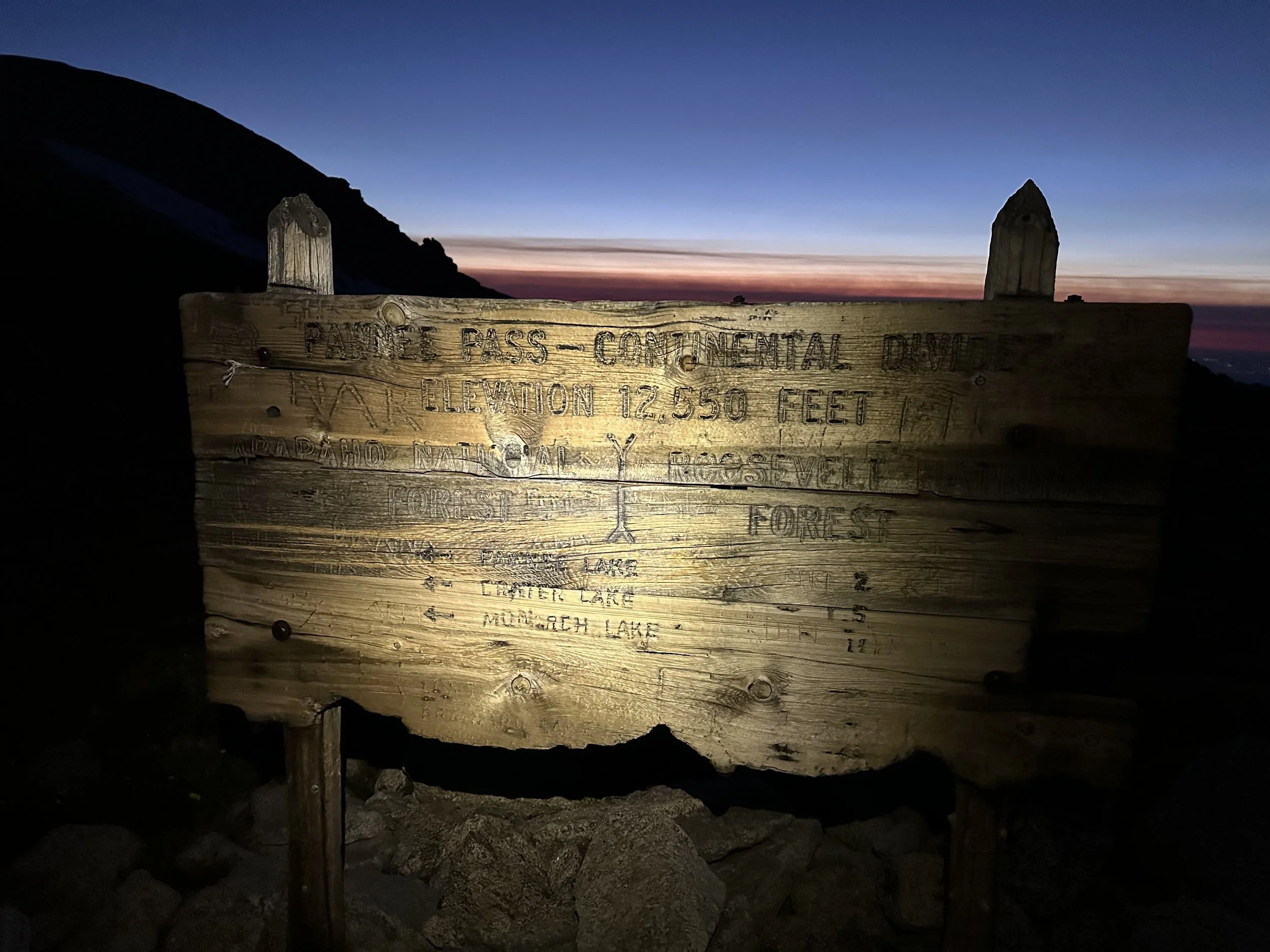
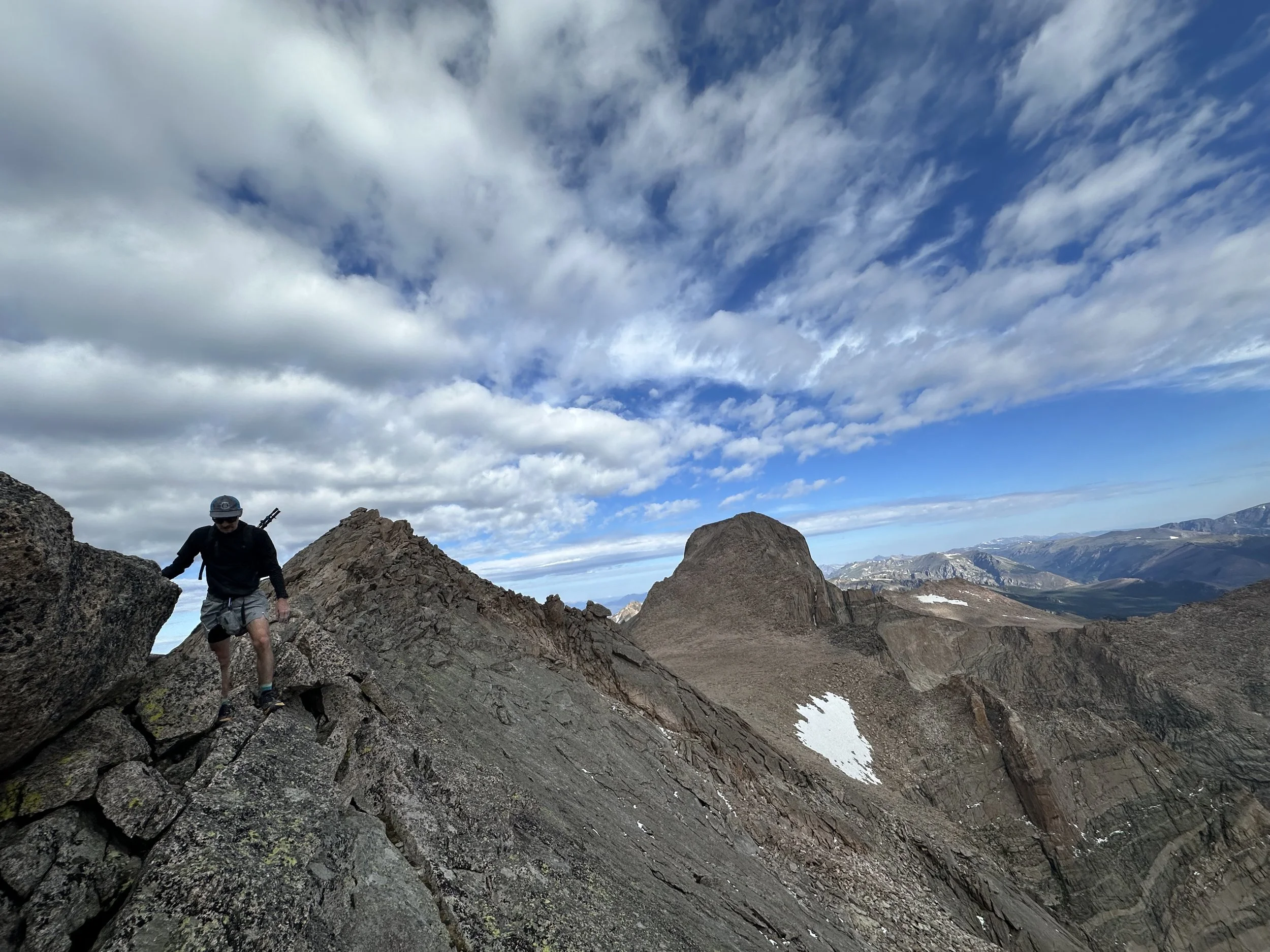
5: My wife set a speed record last year on something called the L.A. Freeway, a life-in-your-own-hands-high-route along the Continental Divide, not far from where we live. Even at a very slow pace, it’s a dangerous and deadly task, and she was not trying to move slowly. We spent last summer on scouting missions for the hike, going to the most dangerous sections of the endeavor before she tried to string them together. During one such mission, I remember reaching Pawnee Pass, at 12,550 feet, after a long but good hike up through the dark. We reached the battered wooden sign marking the spot just as the first pink threads of dawn became visible on the horizon. This sound feels like the start of the day. (Track 4, “The Sky Breaks Open,” 1:26–1:35)
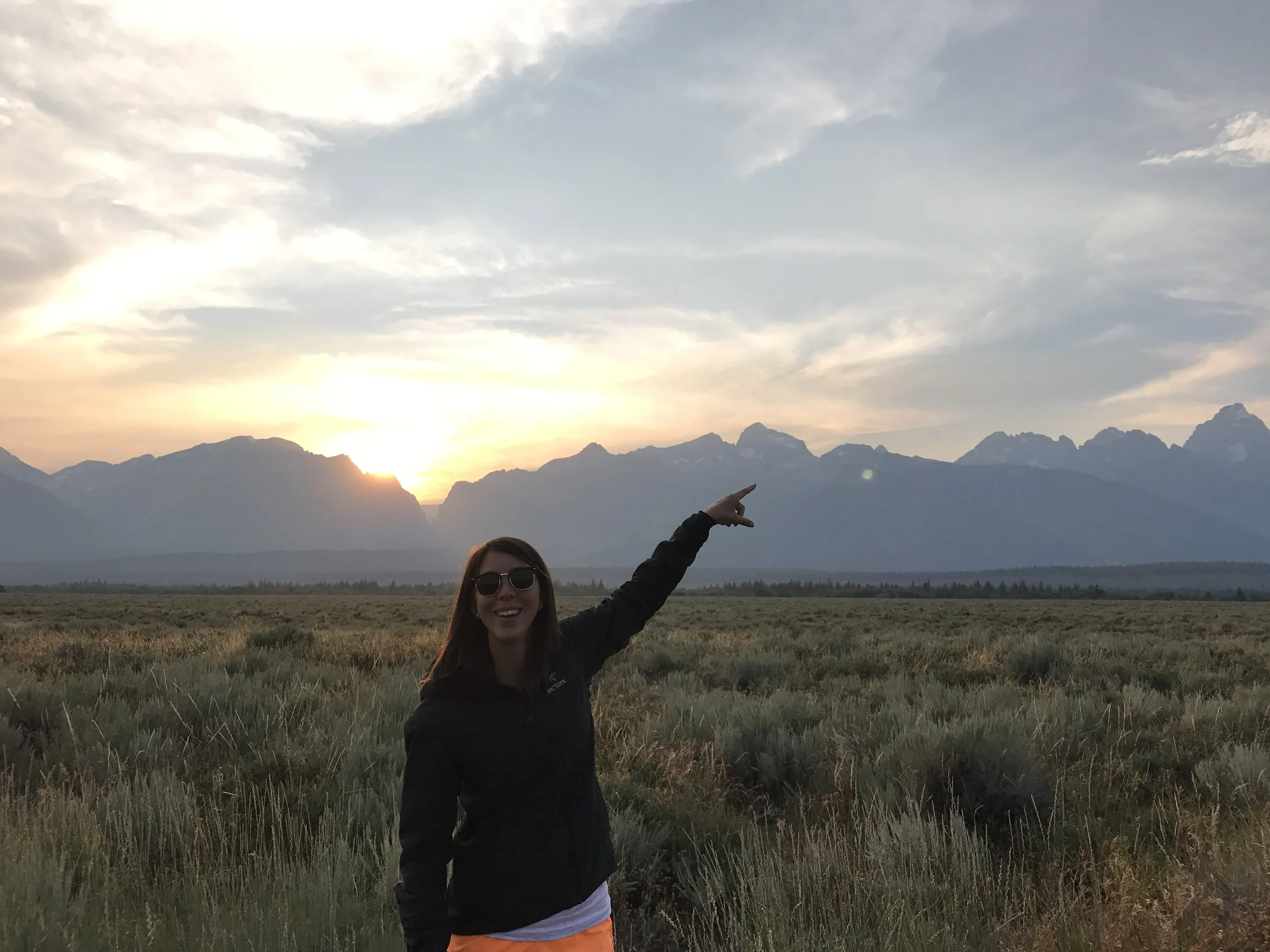
6: When you start hiking very long trails, 200 miles or so seems like nothing. That is, of course, unless you decide to walk across Connecticut and Massachusetts on the New England Trail during what I am pretty sure was a historically cold winter, as we did in early 2022. It was so cold, in fact, that I bought those little Hothands packets and stuffed them into my gloves. Still, I was so cold I wanted to cut my arms off. This sound summons that feeling. (Track 5, “Glimmers in the Ocean Deep,” 3:15–3:30)
7: That Teton grizzly from earlier is in my mind now, so let me tell you more about that. I had bought bear spray the day before at an outfitter in Jackson, so I was ready to fend off a beast—that is until I unknowingly dropped said spray in a boulder field, which I did not realize until aforementioned bear started staring at us like we’d just insulted its entire family. There was an extended standoff, followed by our frantic exit through a waist-high creek for a solid mile. I told Tina I loved her, should we die. This sounds like that escape felt. (Track 6, “Volcano △,” 3:23–4:43)
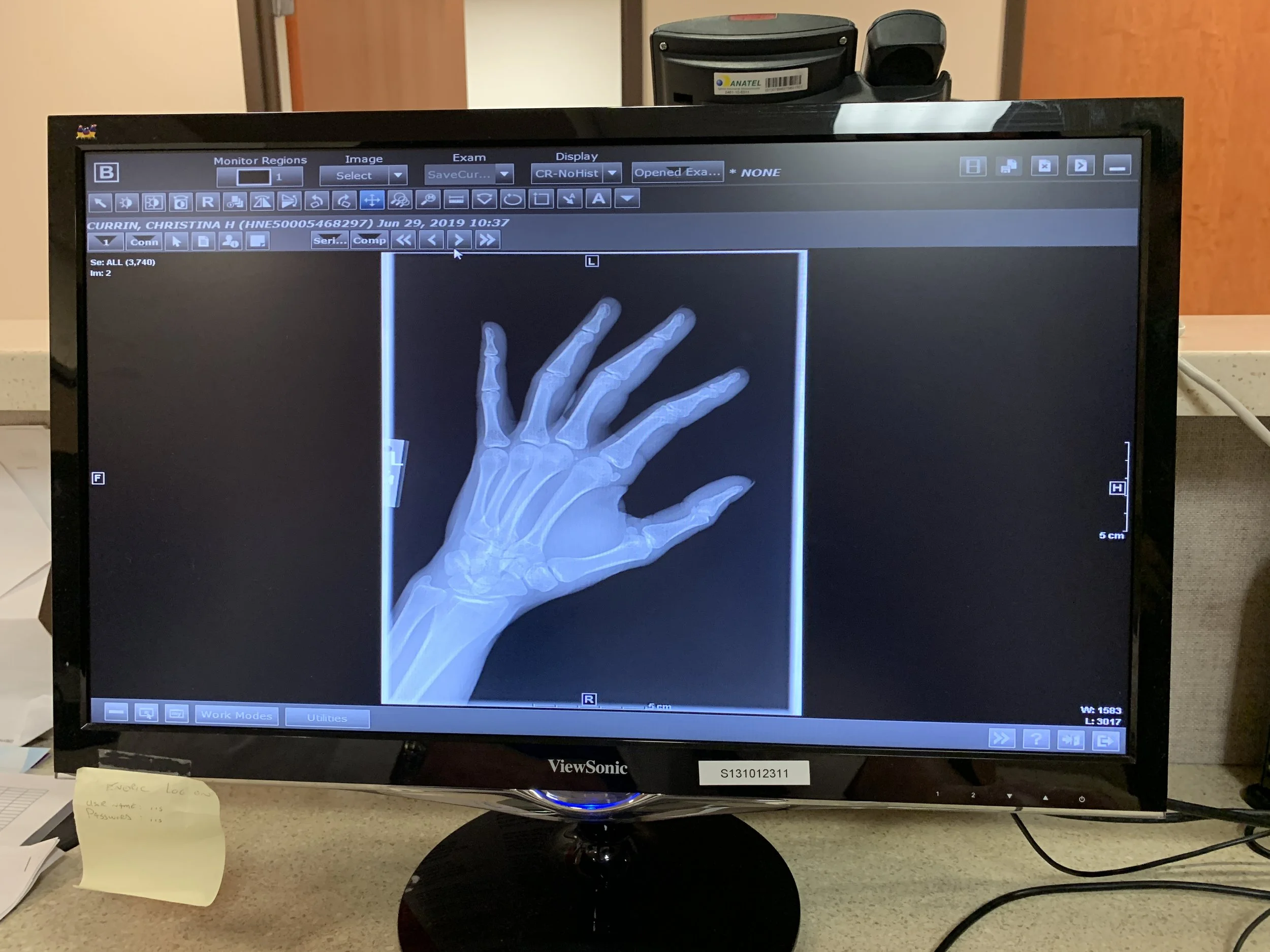
8: When we were a little more than halfway done with the Appalachian Trail, my wife took a tumble upon looking for water in a pernicious stretch of what hikers call Rocksylvania. Seven years later, I’m still not really sure if she broke two fingers, but she certainly damaged them in a way where they still bother her more than she likes to admit. That night, though, I remember camping in a glade in the Lehigh Valley, how the fireflies seemed to dance in the darkness on the edge of town. Tina was in pain. The scenery was perfect. This music sounds like both.
(Track 7, “Clearing, Crickets,” 2:30–2:40)
Now that they’re all written down, I see that only one (maybe two?) of those memories is purely happy. “What’s with all this going outside, then?” you may have understandably asked yourself when you read about the grizzly or the mosquitos or hypothermia. At the time, those moments were in fact miserable, all circumstances that made me question my sanity or fear for my safety. I now think of them all fondly, like mile markers on a life that I finally started living. I would go back to any of them at this very moment, but I am on this plane, on the way home from talking to yet another musician until he just started yelling at me.
“Music is a place for storing feeling, for remembering what you felt at a certain moment and building a vessel that can forever hold it in a way that a mortal body and brain cannot.”
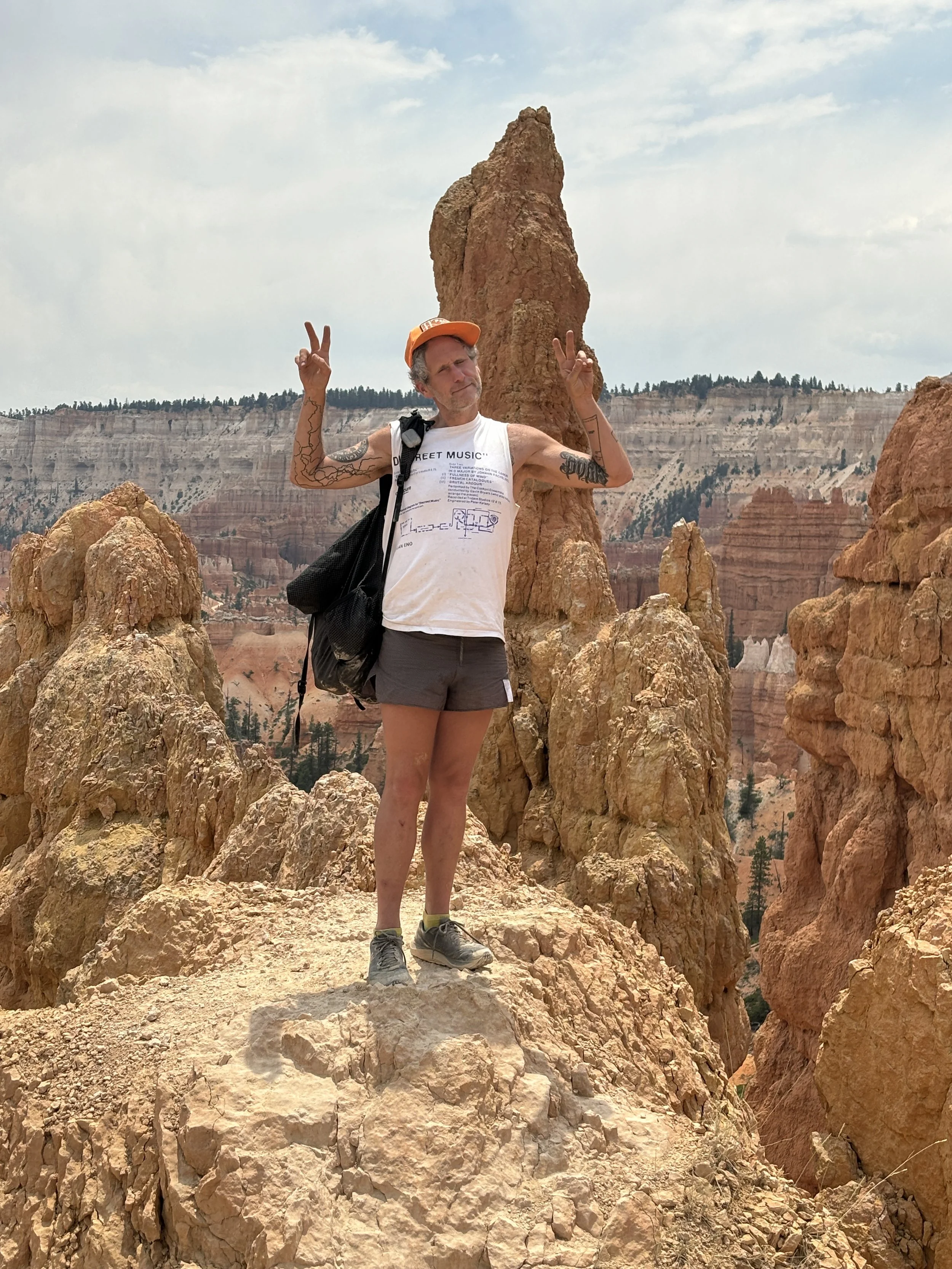
grayson haver currin
Lots has been written about the ability or lack thereof for music to portray nature. It is both too grand and detailed for any one piece to capture or contain. I think that’s right, but I don’t think that’s the point, either. Music is a place for storing feeling, for remembering what you felt at a certain moment and building a vessel that can forever hold it in a way that a mortal body and brain cannot. Every time we listen, we split that vessel open and see what best suits us, what best summons our own experiences. I don’t know if Rafiq has ever been pursued by a grizzly bear or bitten by so many mosquitoes he wishes he was being pursued by a grizzly bear. But this music, whatever prompted it, has taken me back to the places where I was, back to places that aren’t this airplane, back to the places in which I currently cannot belong.
The plane has landed now. It’s time to get off, time to get at least one step closer to some other miserable moment that can then delight me for the rest of my life. Godspeed to that, again and again.
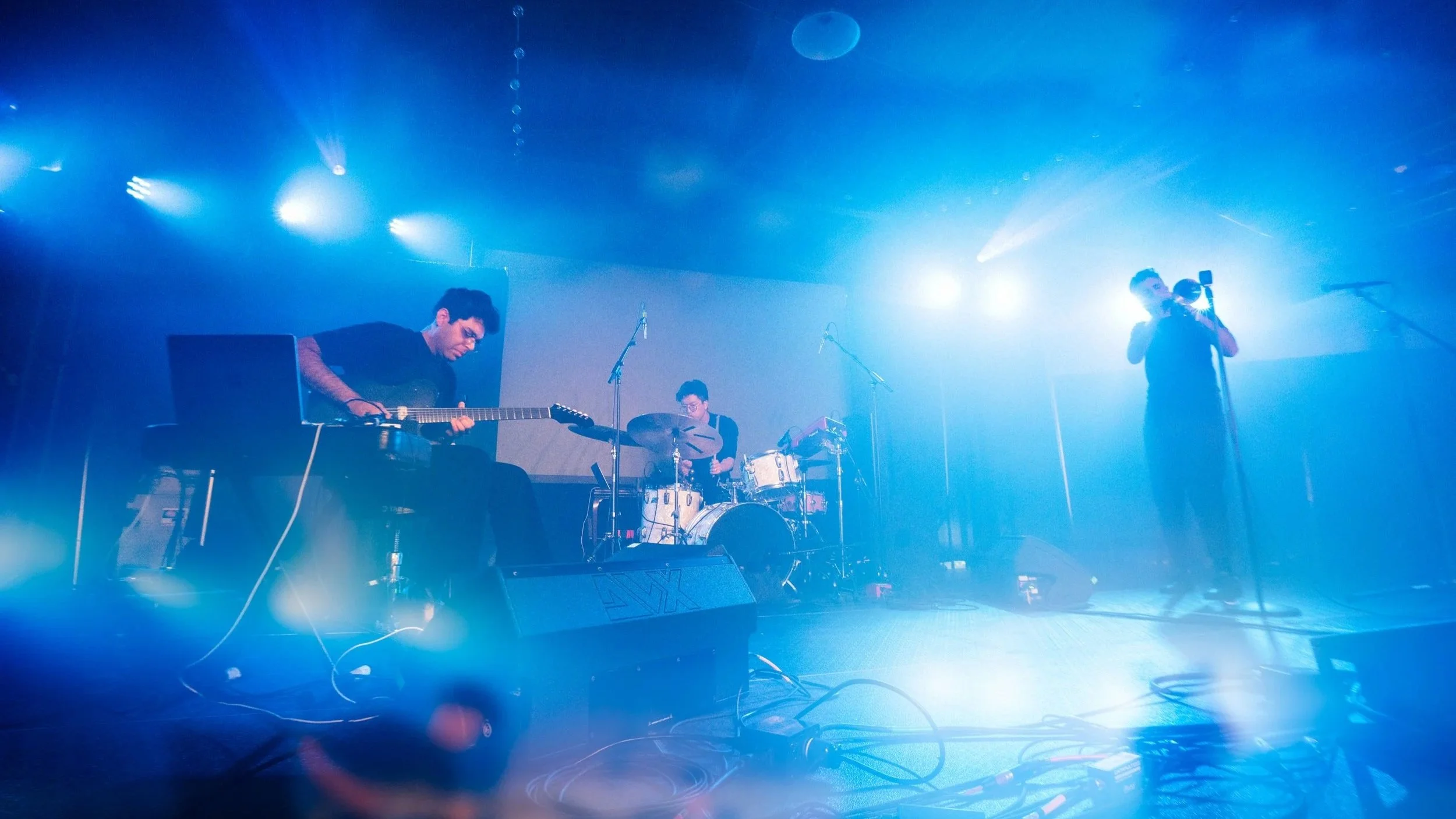
Rafiq Bhatia: Environments
Presented by Liquid Music and 2220 Arts + Archives
Wed, Jun 10, 8 pm
2220 Arts + Archives
Los Angeles, CA
Follow Grayson Haver Currin:
Instagram: @currincy
Substack: currincy.substack.com
Follow Rafiq Bhatia:
Website: rafiqbhatia.com
Instagram: @rafiqbhatia
Facebook: @rafiqbhatia
YouTube: @RafiqBhatiaMusic
Follow Liquid Music:
Instagram: @liquidmusicseries
Facebook: @liquidmusicseries
Newsletter: liquidmusic.org/newsletter