
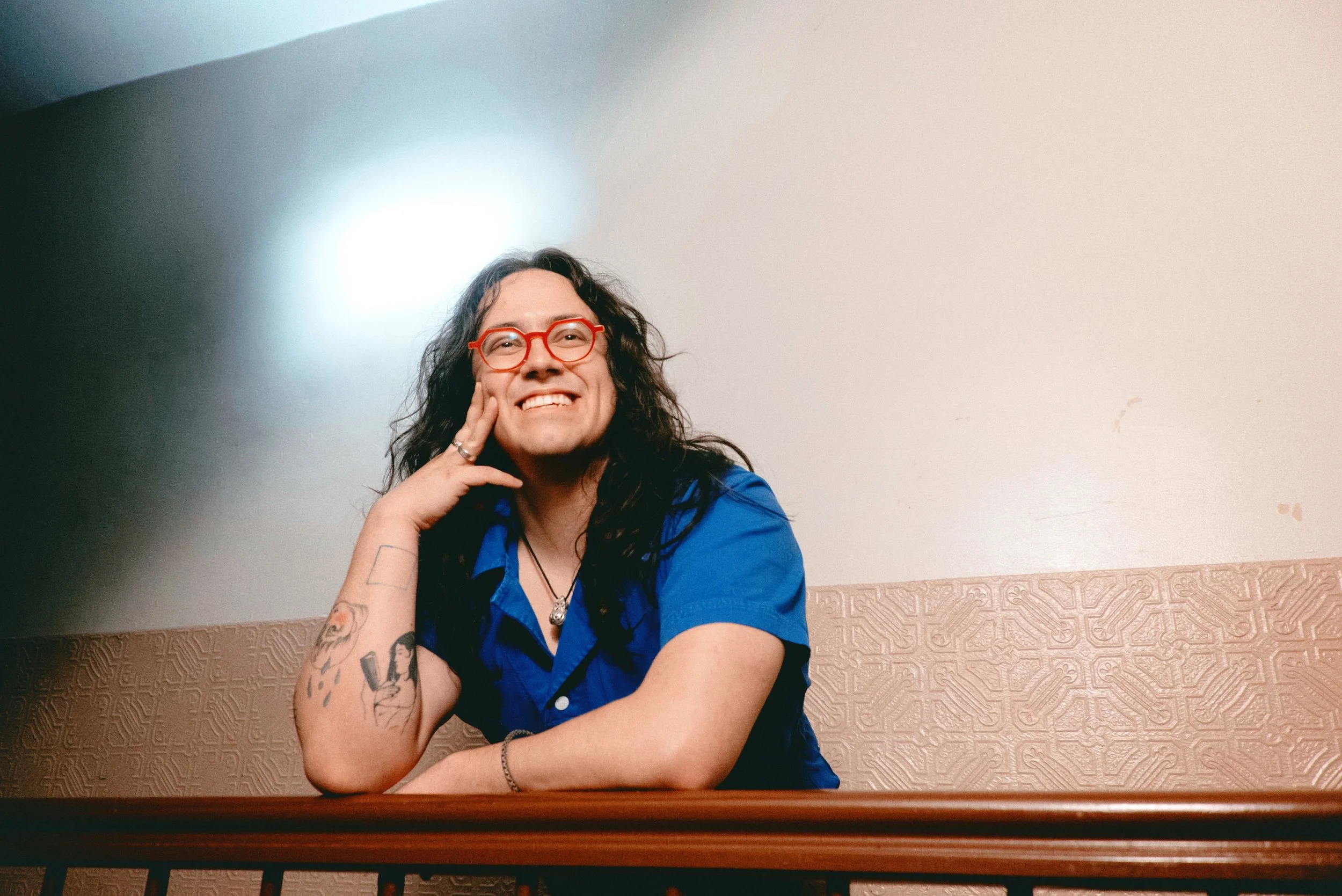
inti figgis-vizueta: Music for Transitions
With Rothko String Quartet, Andrew Yee, and Aaron David Miller
Copresented by Liquid Music and Northrop
Tue, Dec 8, 2026, 7 pm
Northrop
Embark upon an “arresting … sparse, beautiful” (NPR Classical) sensory journey through form and identity in this Liquid Music | Northrop Series performance. Composer inti figgis-vizueta presents her 2026 debut record Music for Transitions with an evening communing the virtuosity of Grammy Award-winning cellist Andrew Yee; the hypnotic luminosity of Germany-based Rothko String Quartet (RSQ) in their Minnesota debut; and the radiant mastery of organist Aaron David Miller on the historic Northrop pipe organ.
This moving, genre-dissolving program opens with “wayra” (wind), a work originally commissioned by the Boston Symphony Orchestra, performed by Miller and demonstrating the improvisational flexibility of the Aeolian-Skinner organ. Music for Transitions, which will be performed in full at this concert, includes several compositions for Yee and Rothko String Quartet and explores Indigenous heritage and trans identity through organic, ecstatic soundscapes. The title track, originally written for four cellos, premiered in 2020 multitracked entirely by Yee. Recurring themes of land, wind, rivers and cosmology are framed by constant musical transformation throughout.
An “ever-intriguing, rising new music star” (LA Times), whose work brings “a sense of true dramatic stakes” (The New York Times), composer inti figgis-vizueta crafts magically real music through the lens of personal identity. Her compositions braid together a childhood in the immigrant communities and Black-founded Freedom Schools of Washington, D.C. with her direct Andean and Irish heritage, weaving complex historical aesthetics with trans and Indigenous futures.
Subscription tickets for Northrop's 2026-27 season are now on sale. Single tickets go on sale July 14.
About the Artists

inti figgis-vizueta (b.1993) is a composer who works to reconcile historical aesthetics and experimental practices with trans & Indigenous futures. Described as an “ever-intriguing, rising new music star” (LA Times), whose “arresting…sparse, beautiful” (NPR Classical) work brings “a sense of true dramatic stakes” (New York Times), inti has been commissioned and performed by leading artists including the Los Angeles Philharmonic, Boston Symphony Orchestra, Cincinnati Symphony Orchestra, Kronos Quartet, Attacca Quartet, Rothko String Quartet, and Roomful of Teeth, among many others.
inti is the recipient of the 2026 United States Artists Fellowship and her debut album Music for Transitions will be released on New Amsterdam Records in November 2026. inti’s teachers and mentors include Marcos Balter, Tania León, George Lewis, and Nico Muhly. inti honors her Quichua bisabuela who was the only woman butcher on the plaza central and used to fight men with a machete.
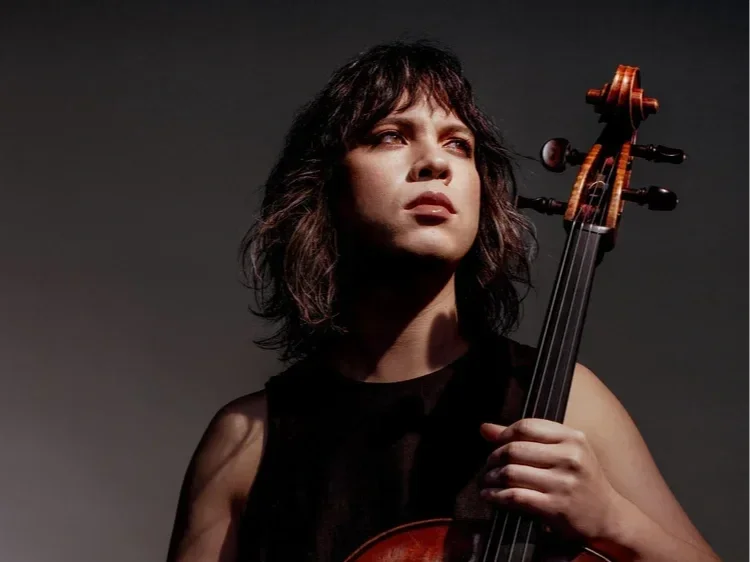
Two time GRAMMY Award winning cellist and composer Andrew Yee (she/they) loves making art. She is a founding member of the Attacca Quartet whose recordings of the string quartets of Caroline Shaw, Orange and Evergreen, have each won GRAMMY awards. They can also be heard on the score of the Alfonso Cuaron show Disclaimer scored by Finneas O’Connell and on Billie Eilish’s album Hit Me Hard and Soft.
As a composer she has written for film and television including Wu Tsang’s Moby Dick, Love, Jamie and two seasons of the BBC show We Might Regret This. She has had pieces premiered by the Zurich Chamber Ensemble, the New York Philharmonic, and Caroline Shaw. Her new version of the opera Carmen was premiered in Zurich in 2024. She recently premiered a new work for orchestra, choir and trans soloists called Trans Requiem.
Her son Otis is the love of her life.
She plays on an 1884 Eugenio Degani cello on loan from the Five Partners Foundation.
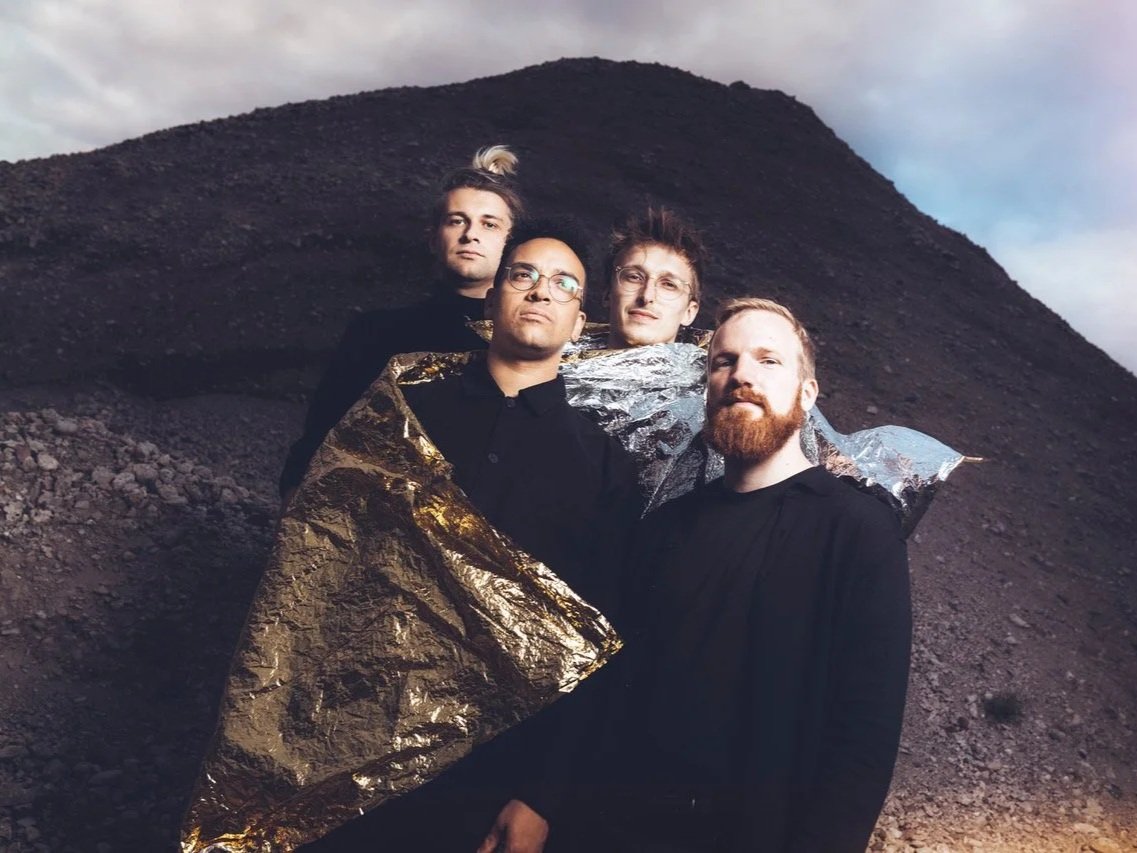
The Rothko String Quartet (RSQ), consisting of Marc Kopitzki (viola), Jakob Nierenz (cello), Joosten Ellée (violin) and William Overcash (violin), was founded in Lueneburg, Germany in 2017. The latter two specialized in the study of both early and contemporary music, which gives the ensemble a high degree of flexibility in dealing with different styles of classical music, enabling a wide variety of concert programs. Embodying this stylistic diversity, the RSQ sees it as its task to give a voice to the music of marginalized composers and to bring lesser-known works of classical music history to light.